

reference
Types of Couches: Two Kinds of Name, and Only One Changes What You Buy
By Cal Hewitt, (updated )
Affiliate disclosure. If you buy through a link on this page, PlushPick may earn a commission at no extra cost to you. That never changes which products are named or what is said about them. As an Amazon Associate I earn from qualifying purchases. How this works
The lists you keep finding mix two different kinds of word. Some of them name a configuration: loveseat, sofa, sectional, modular sectional, sleeper, reclining sofa, sofa with chaise, futon. Those decide the footprint, the price and what the thing can do. Others name an appearance: Chesterfield, Lawson, camelback, tuxedo, English roll arm. Those describe the arms and the back, and they can sit inside any configuration at all. A Chesterfield sleeper sectional is an ordinary object, which is the tell that these were never one list. Sort the words that way and eight decisions are left instead of a hundred and twenty five options.
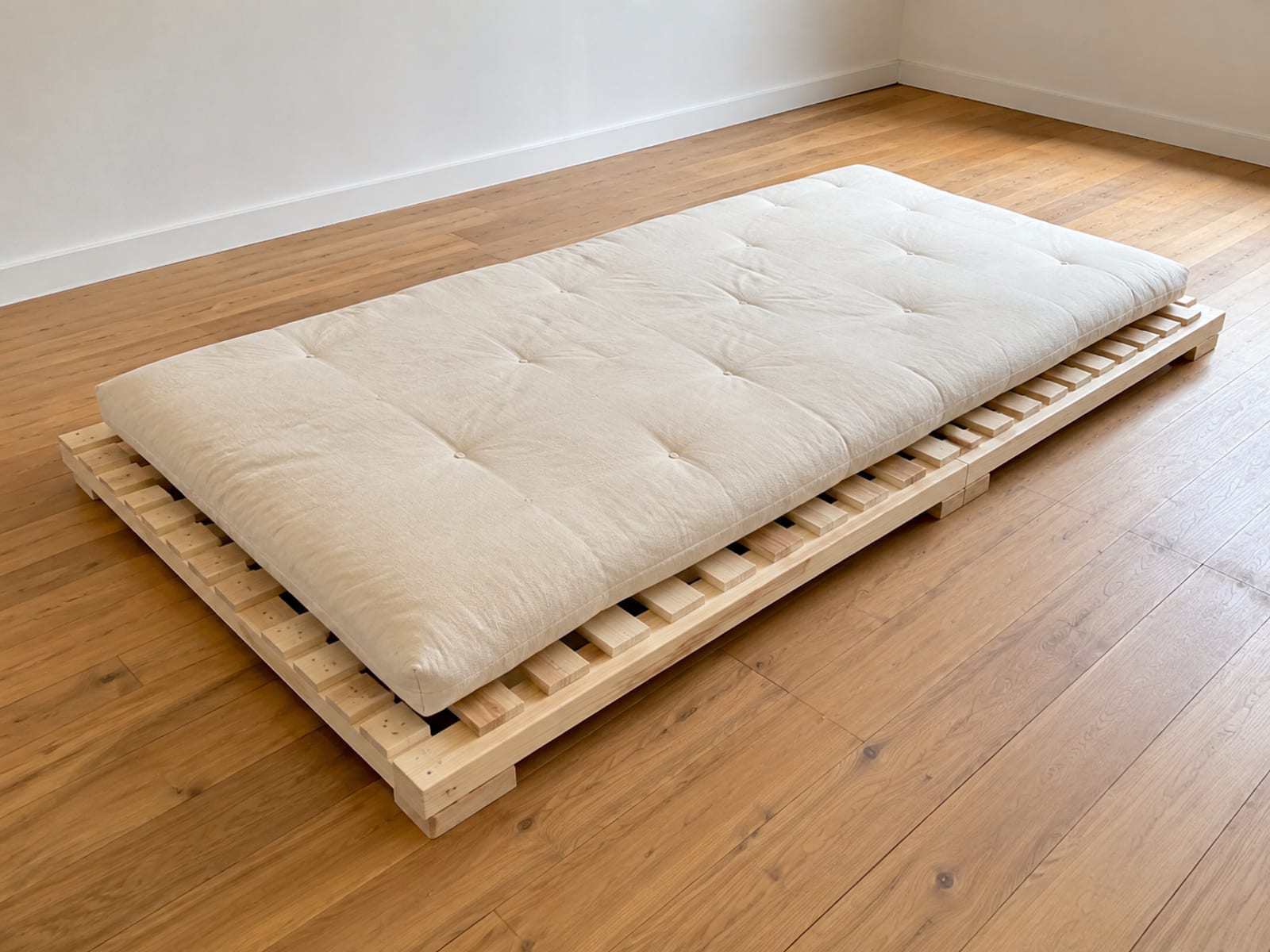
!A futon in its flat position seen from a raised angle, the timber slat frame beneath and the separate loose mattress on top reading as two distinct objects Frame and mattress, named and sold separately. Half the category lines blur here. The two things that share the name, and what each one asks of a room, are set out in the futon comparison.
Key Takeaways
Configuration names change the purchase
Loveseat, sofa, sectional, modular sectional, sleeper, recliner, sofa with chaise, futon. Eight, and they overlap.
Appearance names change the look only
Chesterfield, Lawson, camelback, tuxedo, English roll arm can occur inside any of the eight.
One model can be five types at once
IKEA's MORABO guide lists a loveseat, a sofa, a sleeper, a sofa with chaise and several sectionals under one series name.
Configuration moves the price by thousands
$299 to $2,649 across IKEA configurations in September 2026. Arm style moves it by nothing.
Sleepers have a second depth
HYLTARP publishes 94 1/2 inches of total folded-out depth, which is the figure that catches people out.
The counts disagree because the categories overlap
That is how furniture is sold, not a failure of any particular list.
Why no list of couch types can be complete
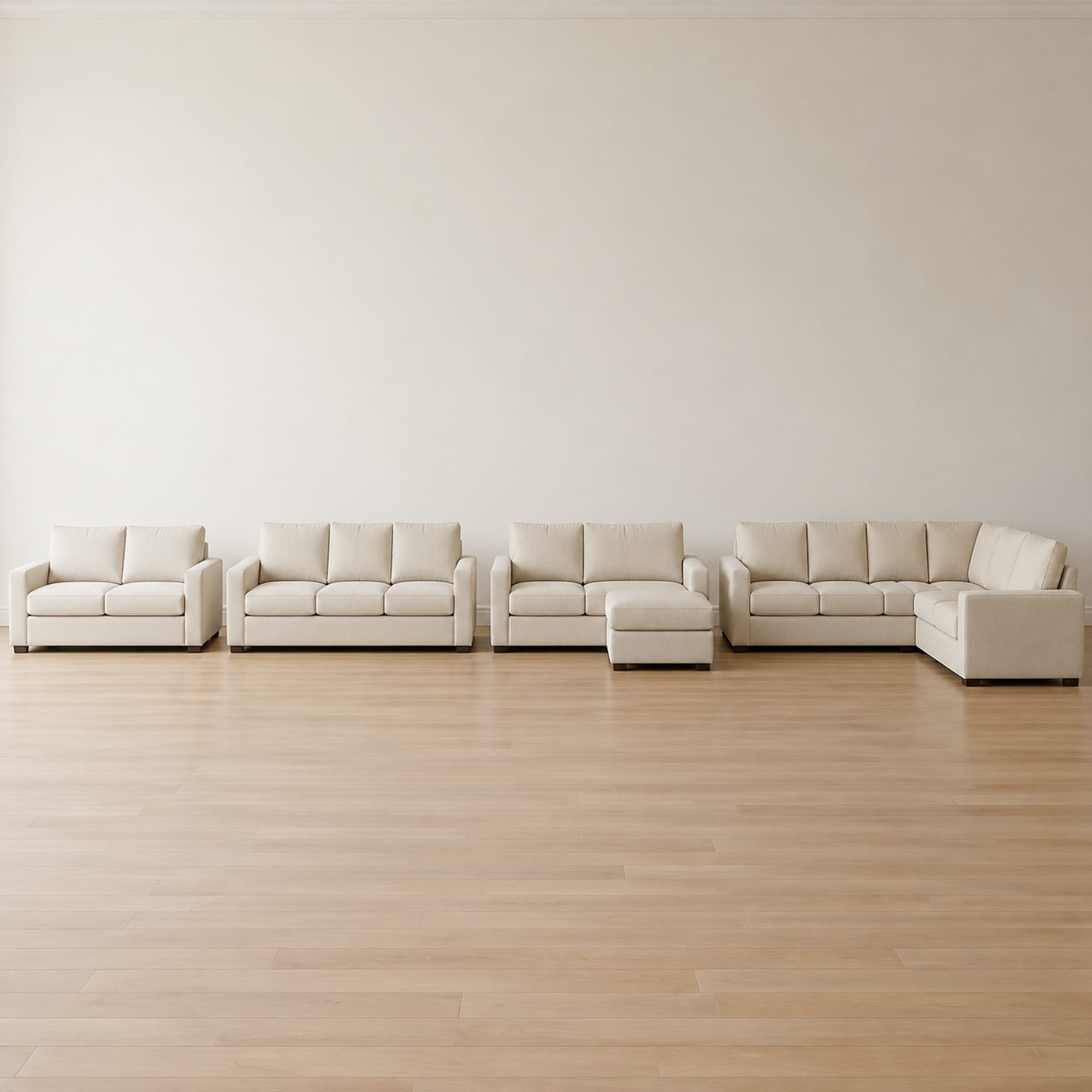
Look at one catalogue and the problem becomes obvious. IKEA's MORABO buying guide lists a loveseat, a sofa, a sleeper sofa, a sofa with chaise and several sectional configurations, all under one series name. One model, five of the types you have been reading about.
So, the categories are not mutually exclusive and they never could be. A sectional can be modular or fixed. A sleeper can be a loveseat or a three-seat. A sofa with a chaise is halfway to a sectional by most definitions and is sold as its own thing by others. Any list that tries to make these exclusive will either leave products out or invent distinctions to keep them apart, which is why published counts run from ten to a hundred and twenty five.
That is not a fault in those lists. It is what happens when you count overlapping categories, and it is why the useful question is not how many types exist but which kind of word you are reading.
How to use both kinds of name together
Pick the configuration first, because it is the one that has to fit the room and the budget. Then pick the style, because it is the one that has to fit the room's look and it costs nothing to change your mind about.
In practice that means starting with three questions. How many people have to sit down, which gives you loveseat against sofa against sectional. Does anyone have to sleep on it, which either brings in the sleeper and futon rows or removes them. And does the room have depth to give away, which decides whether a chaise or an L is possible at all.
Once those are settled you are choosing between a handful of real products rather than a hundred words, and the style name becomes what it always was: how you tell the showroom which one you meant.
Two practical notes before you shortlist. The published dimensions that decide fit rather than feel are worth reading once, and measuring the route the sofa has to travel matters more on a sectional or a sleeper than on anything else here.
The eight configurations, and what each one actually decides
These are the words that change the purchase. One of them describes an arrangement rather than a piece of furniture: a pit is a sectional closed into a lounging surface.
Loveseat. Two seats. The smallest thing still sold as a sofa, and the answer when the wall is short. Which loveseats fit the least width covers the ones with real seat depth.
Standard sofa. Three seats in one piece, no chaise, no modules. IKEA's KIVIK three-seat is 89 3/4 inches wide by 37 3/8 deep by 32 5/8 high, with a 23 5/8-inch seat depth and a 17 3/4-inch seat height.
Sofa with chaise. A sofa with one leg-supported extension. It introduces a second depth figure, because the chaise reaches further into the room than the sofa run does.
Sectional. A multi-piece or multi-seat configuration in an L or a U. Whether the second run earns its floor is the decision, and what is inside the cushions is how the ones on the market separate.
Modular sectional. A sectional whose pieces are sold and joined separately. The difference from a fixed sectional is real but narrow, and what makes a sofa modular rather than just sectional sets it out properly.
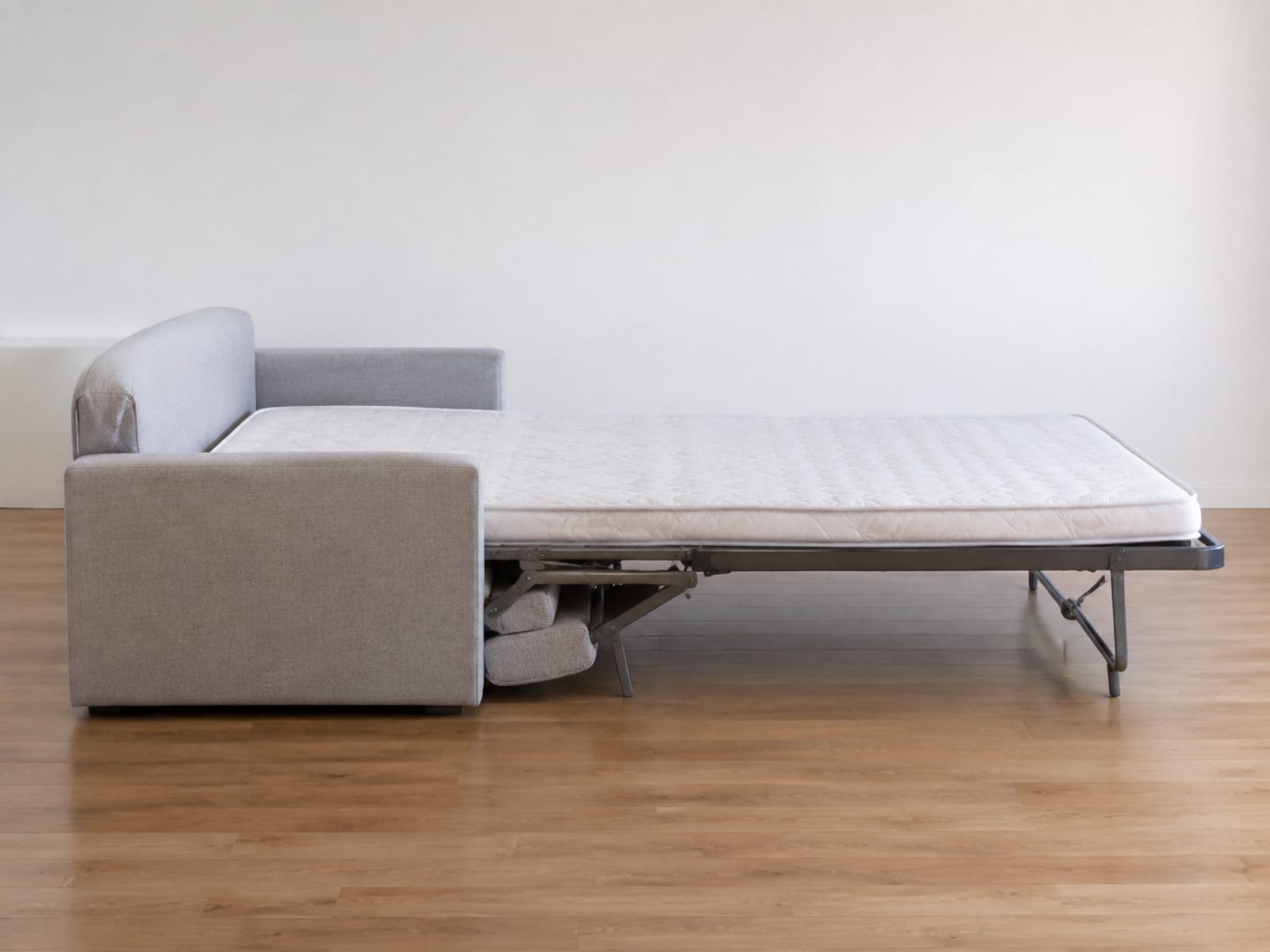
Sleeper or sofa bed. Seating that converts. Record three numbers rather than one: the closed size, the sleeping surface and the opened depth. IKEA's FRIDHULT is 49 5/8 inches wide by 29 7/8 deep by 28 3/4 high closed and opens to 82 1/4 inches long. Its HYLTARP publishes a 59 7/8 by 78 3/4-inch bed and 94 1/2 inches of total folded-out depth, which is the figure that surprises people in a small room. The sleepers worth the money and the ones under $500 are separate questions.
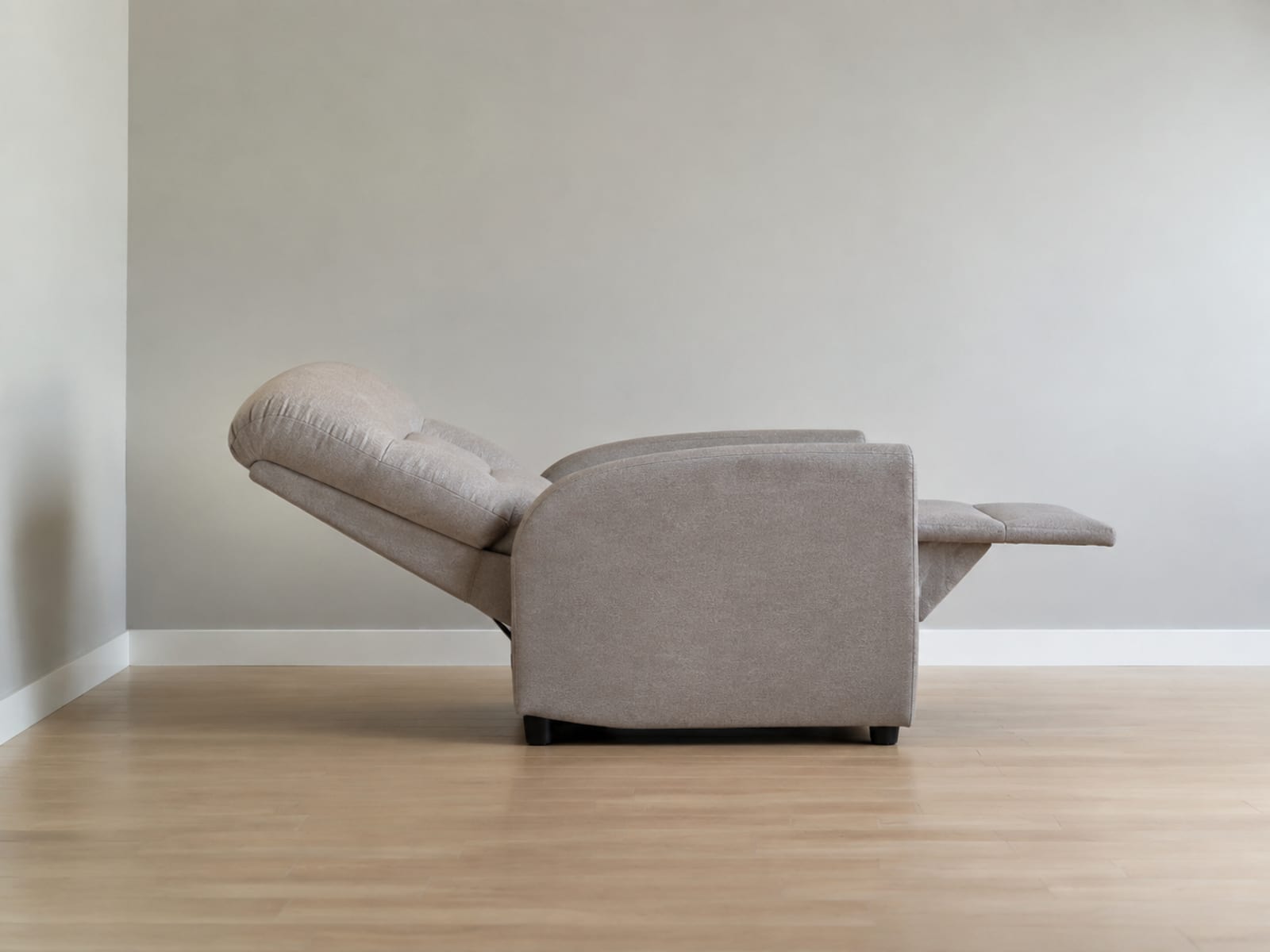
Reclining sofa. Seats that tilt back, mechanically or with power. It is the only configuration that changes shape while you are sitting on it, and the three numbers that decide whether one fits are not the ones on the dimensions line.
Futon or daybed. A frame with a folding or flat mattress rather than fixed upholstery. It is the cheapest route to a sleeping surface and the firmest thing to sit on.
Hover or tap a row to highlight it.
| Configuration | Example | Price |
|---|---|---|
| Sleeper sofa | IKEA FRIDHULT, Knisa light gray | $299 |
| Standard sofa | IKEA KIVIK, Tibbleby beige/gray | $799 |
| Sofa with chaise | IKEA KIVIK, Tresund light beige | $1,349 |
| Sectional, 6-seat | IKEA KIVIK, Gunnared blue | $2,649 |
All four were read on ikea.com in September 2026. The span is $2,350, and every step of it is a configuration change. Nothing in that table is an arm style.
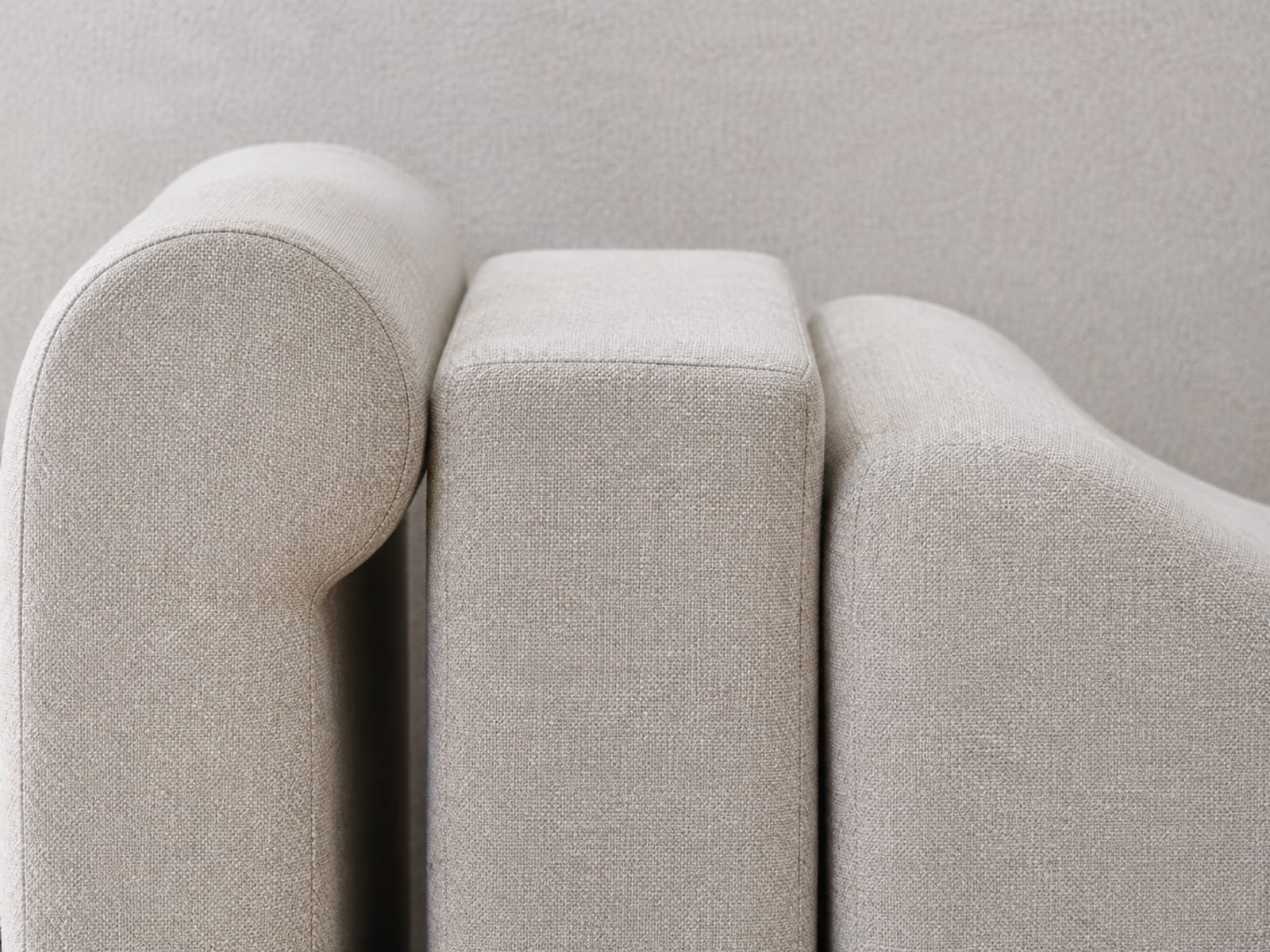
The style names, and what they are for
Chesterfield, Lawson, camelback, tuxedo and English roll arm describe the shape of the arms and the back. A Chesterfield has arms the same height as its back, usually with deep buttoning. A tuxedo has arms and back level too, but square and unbuttoned. A camelback has a curved rising back. An English roll arm has low, softly rolled arms. A Lawson has loose back cushions on a squared frame.
Every one of those can be built as a loveseat, a three-seat, a sectional or a sleeper. They are a description of the outline, and they are worth knowing because they are how showrooms and search filters are organised, so you need the vocabulary to find what you like.
What they do not tell you is anything about the frame, the suspension, the foam, the cover or the price. Two sofas described as English roll arm can be four hundred dollars apart and built completely differently. When you have found a shape you like, the questions that decide whether it is any good are on the checklist for reading a sofa listing.
Would you get this one right?
1. A listing says "Chesterfield sectional". How many decisions is that?
2. Which of these changes what you pay?
3. One IKEA series contains a loveseat, a sofa, a sleeper, a sofa with chaise and several sectionals. What does that tell you?
4. You are buying a sleeper for a small room. Which number catches people out?
Pick an answer to begin.
Frequently asked questions
How many types of sofas are there?
There is no fixed number, and the published counts run from about ten to a hundred and twenty five depending on whether a list counts configurations, style names or both. For a buying decision, eight configurations cover the field: loveseat, standard sofa, sofa with chaise, sectional, modular sectional, sleeper, reclining sofa, and futon or daybed. They overlap, which is why the counts vary.
What are different names for couches?
Sofa, couch, settee, davenport, divan and chesterfield all get used for the same object in different places and periods. In a US shop today, sofa and couch are interchangeable, and Chesterfield has narrowed to mean a specific arm-and-back shape rather than any sofa.
What is the difference between a sofa and a couch?
In practice, nothing. Retailers use both for the same products and IKEA's own catalogue mixes them freely. If a shop assistant draws a distinction it will be a house convention rather than a rule.
Which type of sofa is best for a small living room?
A loveseat or a standard sofa without a chaise, because both keep one depth figure instead of two. A sleeper can work if you check the opened depth as well as the closed one; 94 1/2 inches of folded-out depth needs a lot of floor. A sectional in a small room is possible but it commits the room's orientation permanently.
Does the style name affect quality?
No. Chesterfield, Lawson, camelback, tuxedo and roll arm describe an outline, and sofas of every one of those shapes are built at every price and every standard of construction. The frame, the suspension, the foam density and the cover decide quality, and none of them is implied by the shape of an arm.
The words, sorted by which kind they are
Tap a term to see what it means.
Configuration. A name for what the sofa is and does, like sectional or sleeper. It sets the footprint and most of the price, and it is the choice to make first.
Work out the configuration before you fall in love with a shape, because the configuration is the part that has to fit through the door and inside the budget. Once you know whether you need two seats or six, and whether anyone sleeps on it, the style name is the easy half. When you have a shortlist, PlushPick has the full checklist for reading a sofa listing before you buy.
Cal Hewitt
Writer at PlushPick. I compare sofa specs, comfort, durability, and value so you can buy with clearer expectations.
About Cal and how the guides are researchedThe latest
 "Best-of"Best Furniture Protectors for Pets, by What They Actually Cover
 "Best-of"Best Pet-Friendly Sofa Fabrics: Claws, Hair and Spills
 "Best-of"Best Sofas for Small Spaces: Narrow Doesn't Mean Shallow
 "Best-of"Best Recliner Covers for Dogs: What Actually Stays On
 AnswerSofa vs Sectional: Which One Fits Your Room and Life
 AnswerHow to Measure a Sofa So It Fits Through the Door