


Affiliate disclosure. If you buy through a link on this page, PlushPick may earn a commission at no extra cost to you. That never changes which products are named or what is said about them. As an Amazon Associate I earn from qualifying purchases. How this works
The measurement that decides whether a sofa gets into your house is its diagonal depth, the corner to corner distance across its side profile, and most product pages never print it. Overall width tells you about the wall. Overall depth tells you about the room. Diagonal depth is the one a delivery crew uses when they stand the sofa on end and turn it through an opening, and it has to be smaller than the clear width of the tightest point on the route. Getting it takes a tape measure and, on most sofas, one message to the seller.
Key Takeaways
Diagonal depth is the door number
Measured from the top rear corner to the opposite lower front corner, loose cushions out of the way. It cannot be worked out from the width, depth and height.
Most listings do not publish it
IKEA's KIVIK page gives width, depth, height and all three seat figures and no diagonal depth. Ask the seller before ordering rather than guessing.
Measure the clear opening, not the door
A 30 inch door is 76.2 cm of nominal size. What matters is the gap left once the slab, stops and hinges are in place.
Clearing the doorway is necessary, not sufficient
A sofa that passes the opening can still fail to pivot in the hall behind it, which is where most failed deliveries actually stop.
The route starts at the truck
Building door, elevator doorway and elevator interior, hall, unit door, stair width, landing, ceiling above the turn, then the room.
Write it down
A route sheet is what you send the seller when a number is close, and it is the only way to get a written answer before you commit.
What do you measure on the sofa itself?
Start from the listing rather than the sofa, because at this stage you are checking a product you do not own yet.
Copy the exact configuration's figures: overall width, overall depth, overall height, the seat width, seat depth and seat height, the number of pieces it ships in, and the diagonal depth if the retailer gives one. Record them to whatever fraction of an inch the retailer used. Do not round anything before you compare it, because half an inch is the whole margin on a tight route.
The trap is copying the right numbers from the wrong version. Fabric, arm style, chaise side and size all change the specification, and a page will happily show you the dimensions for the configuration it thinks you are looking at rather than the one in your basket. Crate and Barrel's furniture measuring guide puts checking the product page for height, width and diagonal depth as the first step for exactly this reason.
How do you take a diagonal depth measurement?
The tape runs from the top rear corner of the sofa's side profile to the opposite lower front corner. Take the loose back cushions and any throw pillows off first, because they are not part of what the crew has to fit through the door and leaving them on inflates the number.
That is the measurement, and it is worth being precise about what it is not. It is not the diagonal across the top of the seat, and it cannot be calculated from the overall width, depth and height. Those three describe a box; the diagonal depth describes the actual silhouette of the arm and back, which is the shape that goes through the opening when the piece is stood on end.
Most makers do not publish it. IKEA's KIVIK sofa page gives an 89 3/4 inch width, a 37 3/8 inch depth, a 32 5/8 inch height and all three seat dimensions, and no diagonal depth anywhere. When the page is silent, ask the brand's delivery or customer service team for the diagonal depth of that exact configuration before you order, or take the tape to a floor model. Both of those are slower than guessing and both of them work.
What size couch will fit through a 30 inch door?
There is no width that answers this, which is the honest version of the question everybody asks.
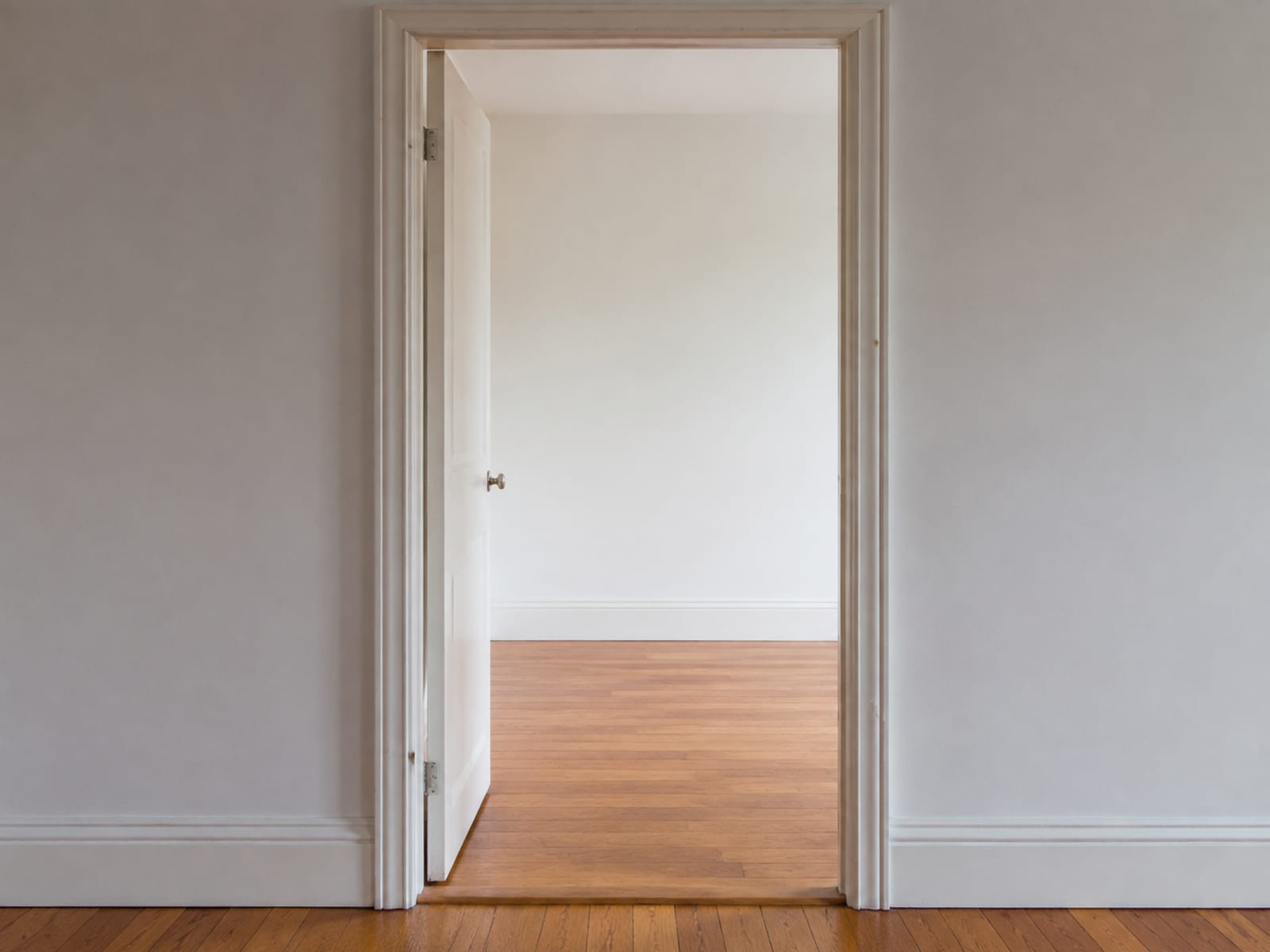
What has to be true is that the sofa's diagonal depth is less than the clear opening, and a 30 inch door is a nominal size rather than a clear opening. The number you need is the gap that is actually there with the door open, jamb to jamb, once the slab, the stops and the hinges have taken their share. Measure it. Thirty nominal inches is 76.2 cm and the real gap will be less.
Then treat that as necessary rather than sufficient. Crate and Barrel's guidance is to check height, width and diagonal depth at every entrance, doorway and elevator, and to compare diagonal depth again at each hallway turn. On a Houzz thread about a 36 inch front door, a delivery professional answering a homeowner made the point that clearance on both sides of the doorway matters too, because the piece often has to be hooked and turned around the jamb rather than pushed straight through. The same participant described doors in the 29 to 30 inch range as needing careful planning rather than being automatically impossible. You can read the exchange in full.
Hover or tap a row to highlight it.
| What you compare | Against what | Why it can still fail |
|---|---|---|
| Sofa diagonal depth | The clear opening, jamb to jamb | The nominal door size is bigger than the gap |
| Sofa overall height | The clear opening height | Legs may be removable, the frame is not |
| Space either side of the door | Room to hook and turn around the jamb | A straight push is not how the piece goes in |
| Diagonal depth again | Each hallway turn beyond the door | Clearing the door does not mean clearing the corner |
| Sofa overall height | Ceiling above a stair turn | The tightest point is usually overhead, not underfoot |
How do you measure the route rather than the room?
In sequence, starting where the truck stops and ending where the sofa lands, writing down the clear width and clear height at every point.
For an apartment that means the building door, the mailroom or lobby door, the elevator doorway and then the elevator interior separately, the hallway, your unit door, and the door into the room itself. Costco's sofas and sectionals guide is explicit about measuring all door frames, entryways, hallways and staircases, and Crate and Barrel adds the elevator to the list. An elevator that a sofa fits into through the doors can still be too shallow to hold it once it is inside.
The common mistake is measuring only the final room, or only the front door. A Houzz poster had already worked out that a sofa fitted the living room before finding out that the front door was the problem. That order of operations is backwards, and it is expensive: another buyer described a custom sofa bed on a ten week lead time with no returns, taped out at 41 inches deep in a ten by twelve foot room, with the deposit already down.
Hover or tap a row to highlight it.
| Point on the route | Record | Easy to miss |
|---|---|---|
| Building or front door | Clear width and height | Space either side to turn around the jamb |
| Elevator doorway | Clear width and height | The cab inside is a separate measurement |
| Elevator interior | Depth and height | A piece can enter and still not stand up in it |
| Hallway | Clear width | Corner to corner room at every turn |
| Stairs | Flight width | Ceiling height at the bottom, the top and the half landing |
| Unit or apartment door | Clear width and height | Whether the door can come off, and who has to approve it |
| Room door | Clear width and height | The swing of the door once you are inside |
While you are at it, clear the route physically as well as on paper. Costco's guidance is to take down gates, move furniture and pictures out of the path and secure pets in another room before the crew arrives, and it says plainly that the delivery team will not do those things for you.
What about the turns and the stairs?
Turns are where a sofa that passed every doorway measurement stops moving.
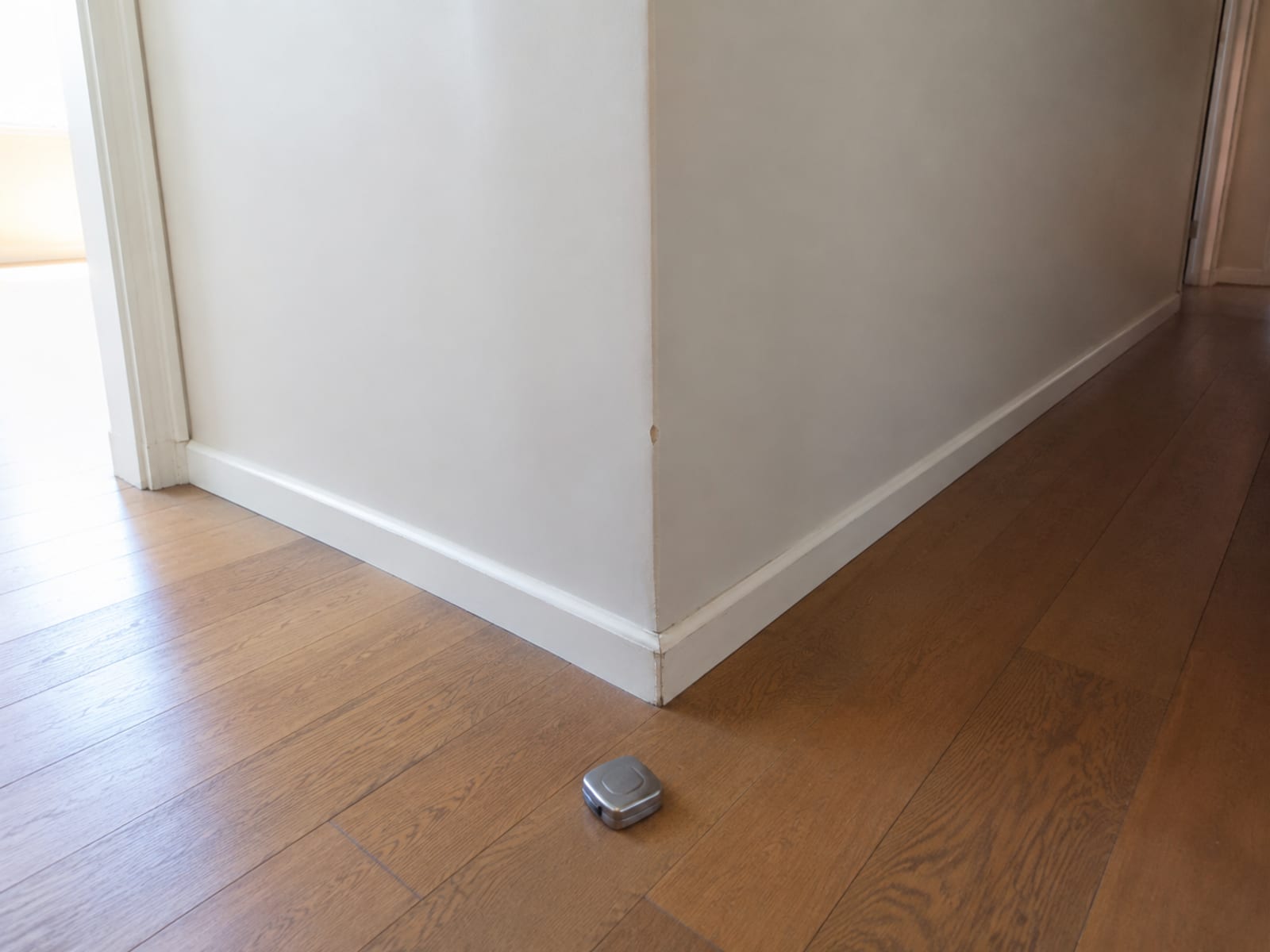
At each ninety degree turn, measure corner to corner rather than wall to wall, because the crew needs room to swing the piece through the diagonal of the corner rather than slide it around at right angles. On stairs, measure the width of the flight, then the ceiling height at the bottom, at the top and above any half landing where the stairs turn back on themselves. The ceiling over a turn is the single most commonly missed measurement on the whole route, because nobody thinks to look up.
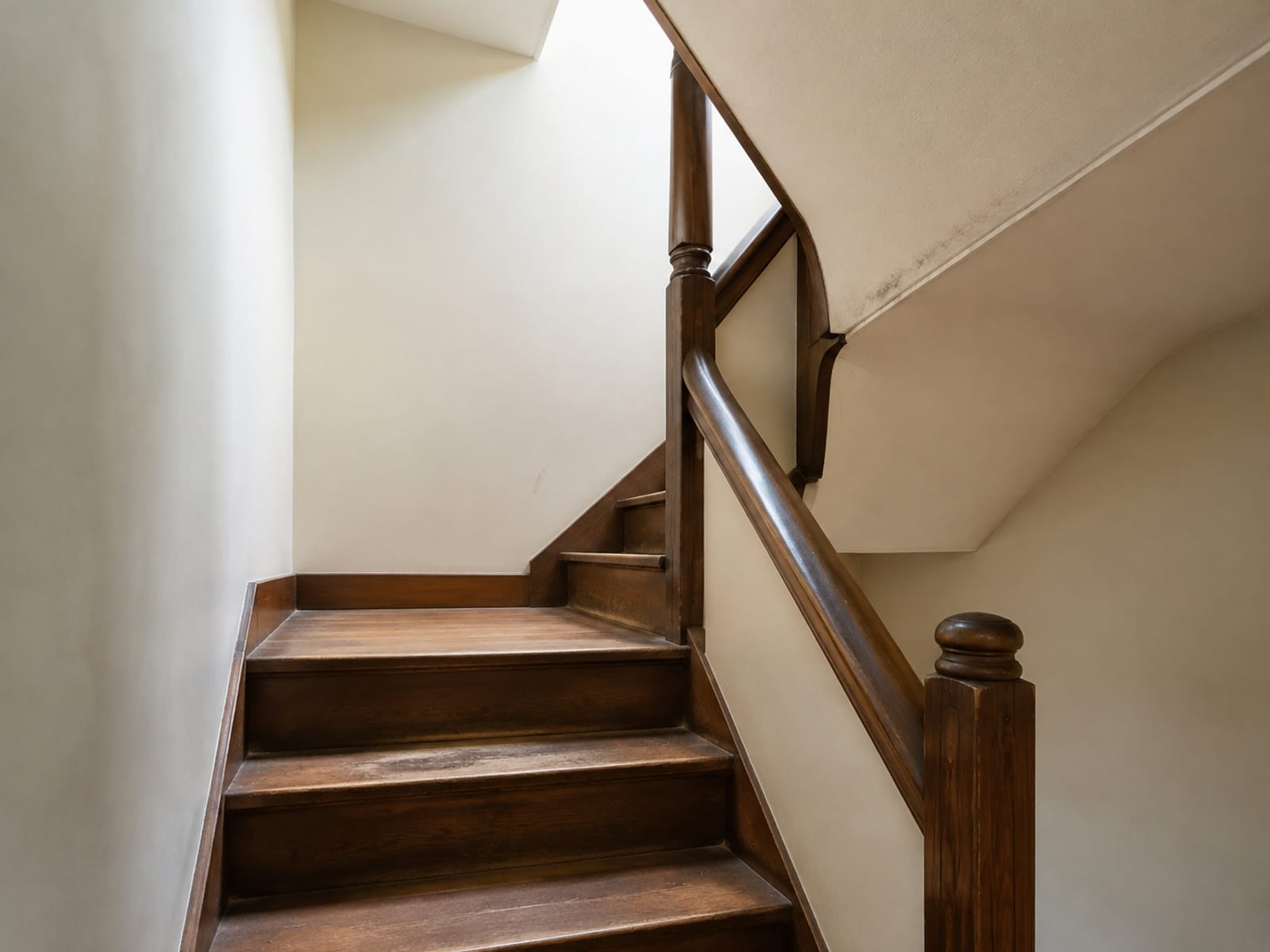
If the stairs turn and the ceiling is low over the turn, the sofa has to be tilted and rotated in a space that is closing in from two directions at once. That is the point at which a written answer from the seller is worth more than another hour with the tape.
What can come off the sofa to make it fit?
More than people expect, and it changes the smallest dimension that has to pass through the opening.
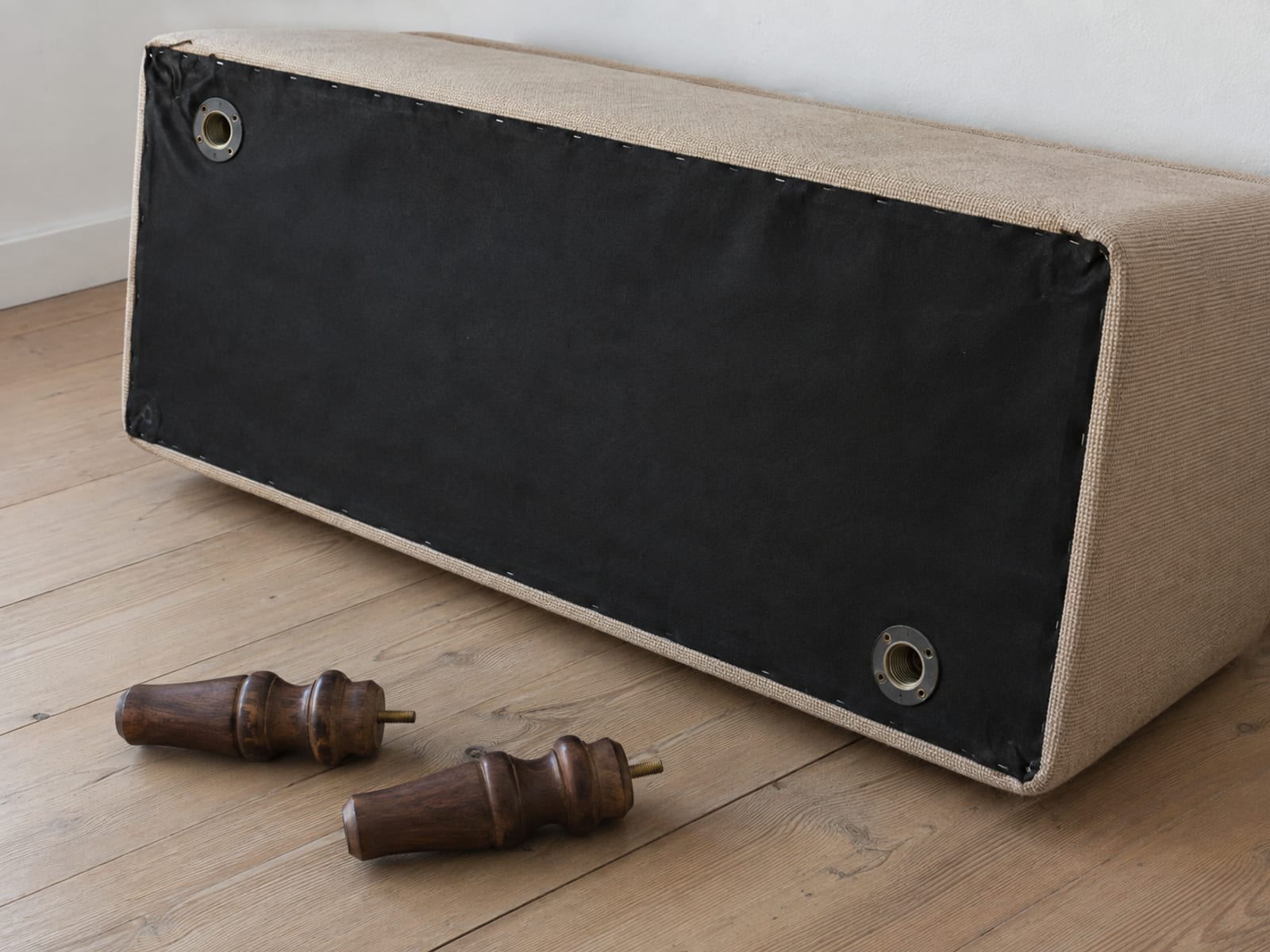
Legs are the usual candidate. On a Houzz thread, a poster listing a 90 inch wide sofa at 43 inches deep and 38 inches high with 25 inch arms and 4.5 inch legs was told the effective height dropped to 33 1/2 inches once the legs came off. That is one responder's arithmetic on one sofa rather than a rule, but the principle holds: find out from the maker which parts are designed to be removed and refitted, and take the removed figure into the comparison.
Back cushions come off on most sofas and should be off for the diagonal depth measurement anyway. What does not come off is the frame, so if the frame alone will not clear the tightest point, no amount of stripping helps and the answer is a different model or a different format.
Removing a door from its hinges or taking off trim is a different matter in a rental. Get written approval from the landlord or building manager first, because whether that is allowed is specific to the building and not something a national guide can settle for you.
What if the numbers are close?
Send the route sheet to the seller and get the answer in writing before you commit.
That means the list of every clear width and height you measured, in order, with the tight points marked, plus a link to the exact product configuration. Ask their delivery team for a pre-delivery assessment against those figures. A retailer with its own crews would rather answer that question than send a truck to a house where the sofa cannot get in, and the answer costs you a message.
Treat a near miss as a fail. A sofa whose diagonal depth is a quarter inch under the clear opening has no room for the angle the crew actually needs, and the crew will be the ones who discover that.
Would you catch it before delivery day?
1. A product page gives width, depth, height and all three seat dimensions. What is missing for the doorway?
2. Your doorway is sold as a 30 inch door. What number goes in the comparison?
3. The sofa clears every doorway on the route with an inch to spare. What is still unchecked?
Pick an answer to begin.
Frequently asked questions
Is a 72 inch sofa big?
It is six feet, or 182.9 cm, of overall width, and that is all the number tells you. It is not a seat count and not a room verdict. For scale, IKEA's KIVIK loveseat is 74 3/4 inches wide overall with a usable seat width of 55 1/8 inches, so a 72 inch sofa is slightly narrower than that named two seater.
What size couch should I get for a 12 by 12 room?
A twelve foot wall is 144 inches. Costco publishes a decorating guideline that a sofa should be roughly two thirds of the room, which puts the upper end around 96 inches, or eight feet. Treat that as a starting scale rather than a rule, then tape the actual footprint and check what walking space is left.
Do I measure the door or the doorway?
The doorway, with the door open, jamb to jamb. That is the clear opening, and it is smaller than the size the door was sold as.
The seller does not publish a diagonal depth. Now what?
Ask their customer service or delivery team for it for your exact configuration, in writing, before ordering. If there is a floor model in a store, measure it yourself: top rear corner to the opposite lower front corner with the cushions off.
Can I just take the legs off?
Often, and it can be the thing that makes it fit, but confirm with the maker which parts are meant to be removed and refitted rather than finding out on the landing. The frame is what has to clear regardless.
The words on a delivery measurement
Tap a term to see what it means.
Clear opening. The actual gap you can pass something through, measured jamb to jamb with the door standing open. It is always smaller than the size the door was sold as.
Measure the sofa, measure the route, and get the diagonal depth even if you have to ask for it. Those three things take an evening and they settle the only question that cannot be fixed after the truck arrives. If you have not picked the sofa yet, PlushPick has a chart of what real sofas and sectionals measure to size up a listing before you start taping.
Cal Hewitt
Writer at PlushPick. I compare sofa specs, comfort, durability, and value so you can buy with clearer expectations.
About Cal and how the guides are researchedThe latest
 "Best-of"Best Furniture Protectors for Pets, by What They Actually Cover
 "Best-of"Best Pet-Friendly Sofa Fabrics: Claws, Hair and Spills
 "Best-of"Best Sofas for Small Spaces: Narrow Doesn't Mean Shallow
 "Best-of"Best Recliner Covers for Dogs: What Actually Stays On
 AnswerSofa vs Sectional: Which One Fits Your Room and Life
 AnswerHow to Clean a Smelly Couch When the Cover Is Already Clean