

Best Fabric Protector Sprays, and How Many Cans a Sofa Takes
The best fabric protector sprays compared on published coverage and cure time, so you buy enough for the whole sofa and know how long it is out of use.
By Cal Hewitt, (updated )
Affiliate disclosure. If you buy through a link on this page, PlushPick may earn a commission at no extra cost to you. That never changes which products are named or what is said about them. As an Amazon Associate I earn from qualifying purchases. How this works
Work out the number of cans before you pick a brand, because that is where this goes wrong. Scotchgard publishes coverage in furniture: a 10-ounce can does one average couch, or two chairs, or five jackets. 303 publishes it in area, 40 to 75 square feet for a 16-ounce trigger bottle. ForceField publishes 725 square feet per gallon. Those are three different units for the same question, and a three-seat sofa with its arms, its back and both faces of every cushion is a bigger surface than it looks. For an indoor sofa, Scotchgard Fabric Water Shield at $10.49 for 10 ounces at Target as of September 2026 is the straightforward answer, and you probably want two.
At a glance
Key Takeaways
Coverage is published, in three different units
One average couch per 10-ounce Scotchgard can. 40 to 75 square feet per 16 ounces of 303. 725 square feet per gallon of ForceField. Convert before you buy, not after.
Temperature and cure time decide your weekend
303 says apply above 70 degrees Fahrenheit and allow 12 to 24 hours to cure. That is not a cold garage in January, and the sofa is out of use for a day.
Indoor and outdoor formulas are different products
Scotchgard's fabric shield is for indoor furniture and clothing. 303 and Sunbrella Restore are written for outdoor fabric, awnings and boat covers.
Solvent-based means an odor while you work
ForceField is a solvent-based polymer blend with a mild petroleum smell, and it is the one here that claims oil-based stains as well as water-based.
Some fabrics are excluded on the maker's own page
Guardsman rules out finished and aniline leather. Read the exclusions before the reviews.
303 discloses PFAS in its own product Q&A
That is the company's own statement on its own page, and it is worth knowing before you spray a room you sit in.
How these were judged
Coverage first, because it is the number that decides how much you spend and it is printed on every one of these. Getting halfway across a sofa and running out means an overlap line you can see when the light is right, so the goal is enough product to do the whole piece in one session.
Conditions second: the temperature the maker asks for, how long it needs to cure before anyone sits down, whether it is water-based or solvent-based, and what the maker excludes. Those four decide whether you can do this today, in this room, on this fabric.
Price came last, and it moves with volume and with applicator rather than with anything you could call performance. Nothing here publishes a repellency test result, so a more expensive can is a bigger can or a different applicator, not a proven better one.
Best for an indoor sofa: Scotchgard Fabric Water Shield, 10-ounce aerosol
The one with the most useful coverage statement on the shelf, because it is written in furniture rather than in square feet. 3M publishes that a 10-ounce can covers one average couch, two chairs, or five jackets, which is the only number here you can act on without a tape measure. It is written for indoor furniture and clothing fabric, with a water-based-spill claim, and it reads $10.49 at Target as of September 2026.
Read "one average couch" as the manufacturer's average rather than yours. A three-seat sofa with a chaise, or one where the cushions come off and both faces get done, is more than an average couch. Two cans costs about twenty dollars and removes the risk of stopping halfway.
3M's own page says the fabric water shield dries clear and odorless, will not impede fabric breathability, and will not cause fading. Target's listing does not publish a return window or a warranty for the spray, so that comes from the store.
Best for outdoor cushions and covers: 303 Fabric Guard, 16-ounce trigger spray
This is the outdoor formula, and it is the one whose instructions you actually have to plan around. 303 publishes 40 to 75 square feet of coverage from 16 ounces, an application temperature of above 70 degrees Fahrenheit, and a cure time of 12 to 24 hours. Read those together and it is a warm-day job with the furniture out of service overnight, which is a different proposition from an aerosol you spray on a Tuesday evening.
It is written for outdoor natural and synthetic fabrics with a water-based-stain claim, and it reads $24.13 at Walmart Business as of September 2026.
There is a disclosure here that most competitors do not make: 303 states in its own product Q&A that the formula contains PFAS. That is a disclosure rather than a warning, and it is the maker's own, but it belongs in the decision if you are treating something indoors or something a child sleeps on.
Best value in the same formula: 303 Fabric Guard, 32-ounce trigger spray
Identical product, double the bottle, and the arithmetic favors it once you are past a single chair. It reads $29.99 at Walmart Business as of September 2026, so a second 16-ounce bottle would cost you more than the 32 does. The retailer publishes a 90-day return window on this listing, which is the longest of any listing here.
The same conditions apply, because it is the same liquid: above 70 degrees, 12 to 24 hours to cure, and the company's own PFAS disclosure. If you are doing a full patio set or a sofa plus two chairs, this is the size to start with rather than the one to upgrade to halfway through.
Best for Sunbrella specifically: Sunbrella Restore, 16-ounce pump spray
If what you are treating is actually Sunbrella, this is the fabric maker's own product for it, which removes a whole category of guesswork about compatibility. It is written for Sunbrella outdoor cushions, pillows, upholstery, awnings, umbrellas, boat covers and bimini tops, with a water-based-spill and elements claim. Sunbrella states it is unscented and contains no wax, and it reads $27.99 at Lowe's as of September 2026.
The Lowe's listing publishes free returns and, in the same breath, a product warranty of "None". A fabric maker selling a treatment for its own fabric with no warranty on the treatment is normal in this category and it is still worth knowing.
Sunbrella does not publish a square-foot coverage figure the way 303 does, so plan on measuring the pieces and buying by area rather than by feel.
Best for oil-based stains: ForceField Fabric Protector, ready-to-use 22-ounce
The only pick here that claims both families of stain rather than one. ForceField describes a fast-drying solvent-based polymer blend and claims water-based and oil-based stains, which matters because most of what actually ruins a sofa arm is skin oil rather than a drink.
That solvent base is also the trade-off, and the maker is upfront about it: a mild petroleum odor while you work. Ventilate, and do not plan on treating a small room and then sitting in it that evening.
For coverage, ForceField publishes 725 square feet per gallon on its bulk formats, which converts to roughly 125 square feet for the 22-ounce bottle. That is the most generous per-ounce figure here by a wide margin, and it is also the only one that lets you compare directly against 303's square-foot number. ForceField does not publish a current retail price, a return window or a warranty on its own page, so those come from whichever retailer you use.
Best for a whole houseful of soft furnishings: Guardsman Fabric Defense
The broadest brief of the six. Guardsman writes this for fabric upholstery, window treatments and carpets together, so one bottle covers the sofa, the curtains and the rug rather than needing three products. The maker claims it is odorless when dry and does not change the look or feel of the fabric.
Read its exclusion before anything else: Guardsman rules out finished and aniline leather. If any of what you were planning to treat is leather, this is not the product for that part of the job, and leather has its own care routine rather than a protector spray.
Guardsman does not publish the size, the price, the coverage or a warranty term on its own product page, which is unusually little for a maker page. Everything you need to compare it on comes from the retailer, so open one before you commit.
The arithmetic, in one place
Hover or tap a row to highlight it.
| Product | Published coverage | In square feet, roughly |
|---|---|---|
| Scotchgard Fabric Water Shield, 10 oz | One average couch, two chairs, or five jackets | Not published in area |
| 303 Fabric Guard, 16 oz | 40 to 75 square feet | 40 to 75 |
| 303 Fabric Guard, 32 oz | Double the 16-ounce bottle | 80 to 150 |
| ForceField, 22 oz | 725 square feet per gallon | About 125 |
| Sunbrella Restore, 16 oz | Not published | Not published |
| Guardsman Fabric Defense | Not published | Not published |
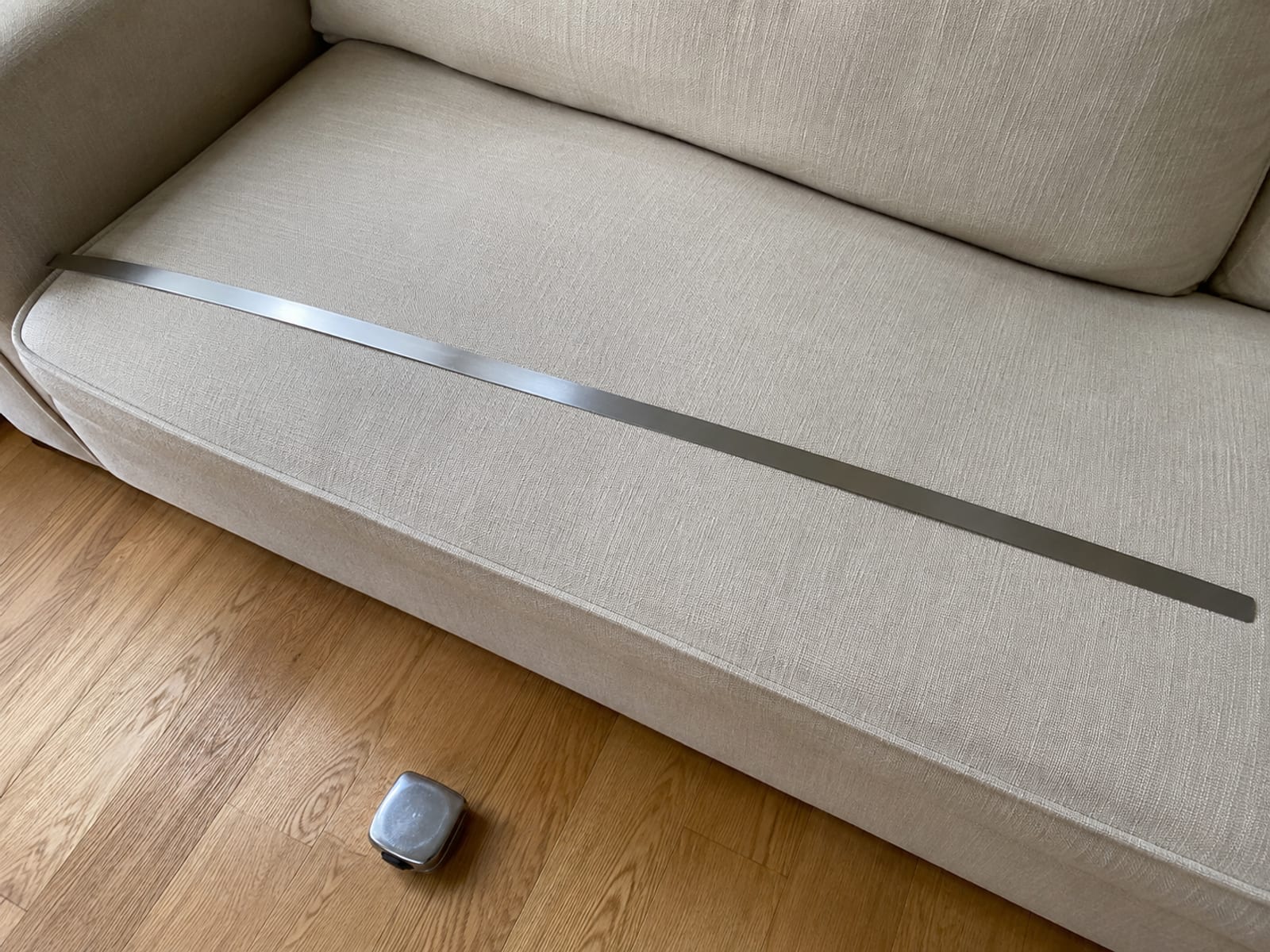
A rough way to size the job: a three-seat sofa is around 35 to 50 square feet once you count the outside of the arms, the back, the seat platform and both faces of every cushion. That puts one 16-ounce bottle of 303 at the edge of enough and two Scotchgard cans comfortably clear.
What the makers ask for while it cures
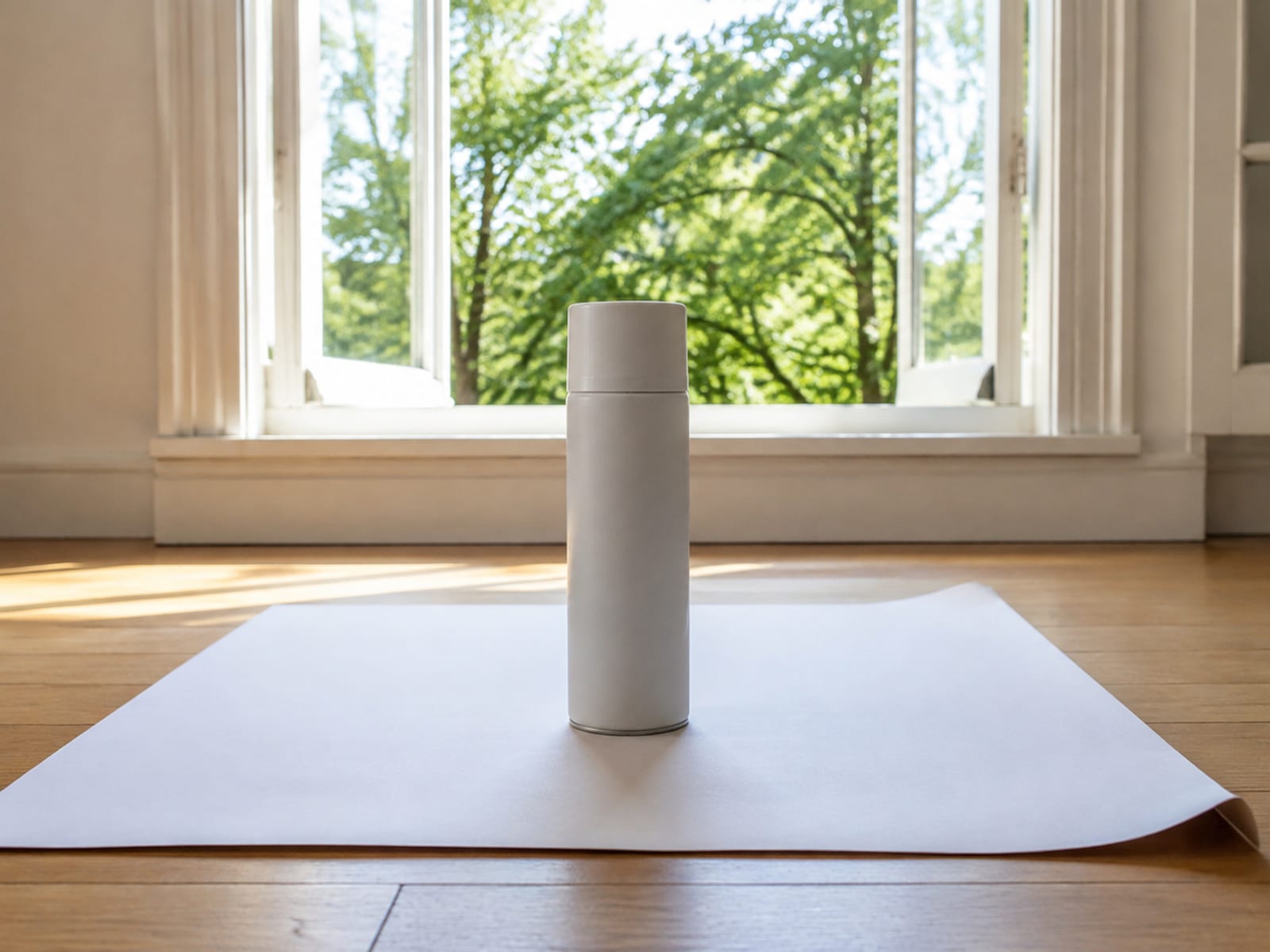
Temperature and time are the two that catch people out. 303 publishes both: above 70 degrees Fahrenheit to apply, and 12 to 24 hours to cure before use. That means a warm day, a room or a patio you can leave alone, and nobody sitting down that evening.
The rest of the conditions are about the room rather than the clock. A solvent-based product like ForceField brings a petroleum odor with it, so open windows and do it when the house is empty if you can. A water-based aerosol like Scotchgard is easier company indoors. And every one of these wants the fabric clean and dry first, because a protector applied over a mark seals the mark in.
How a sofa treatment actually runs
- 1
Before anything
Vacuum the piece and let it be completely dry. A protector over dirt fixes the dirt in place.
- 2
The hidden test
Spray a patch nobody sees, somewhere behind an arm or under the skirt, and let it dry fully before you judge the color and the feel.
- 3
The application
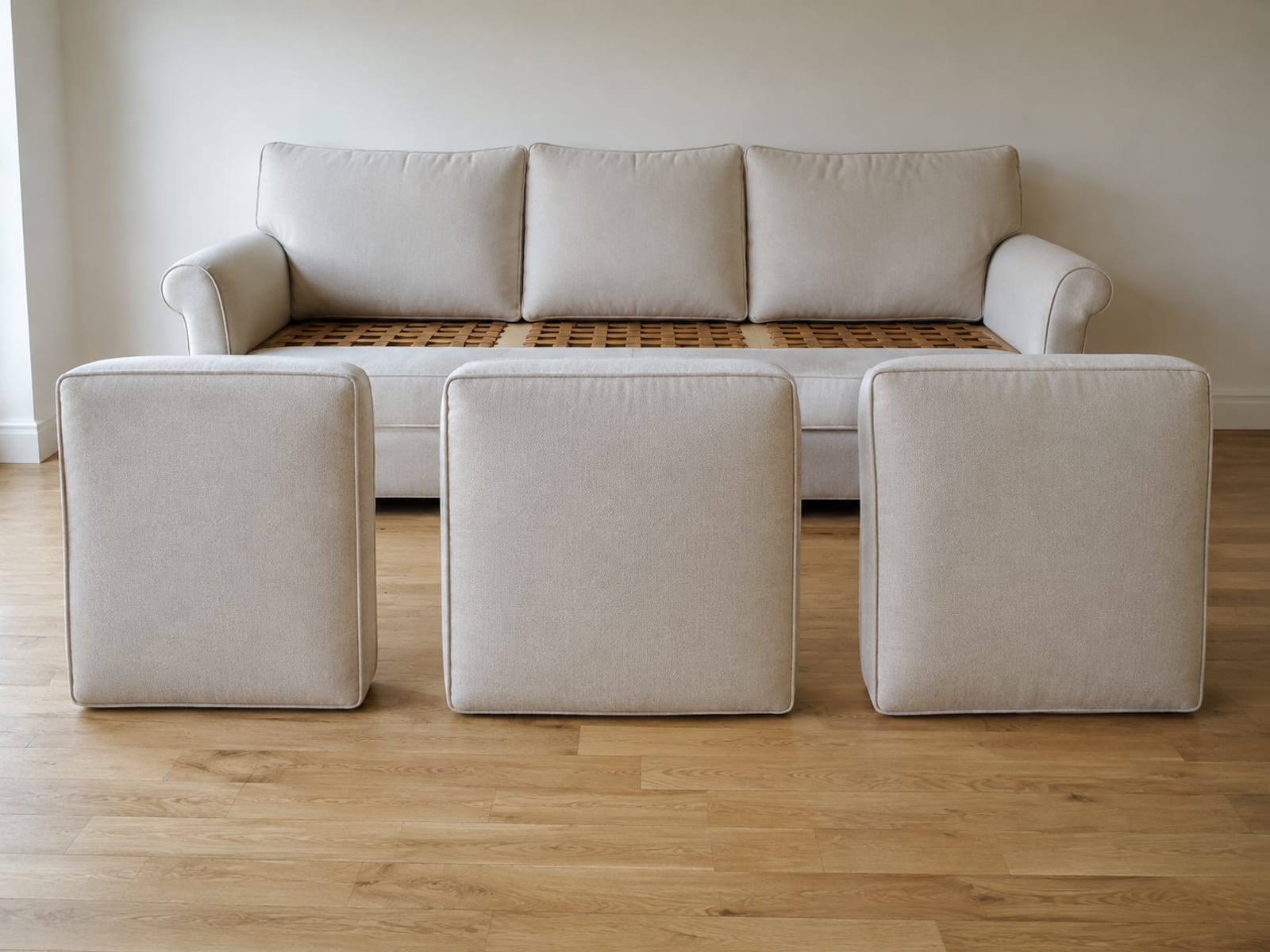
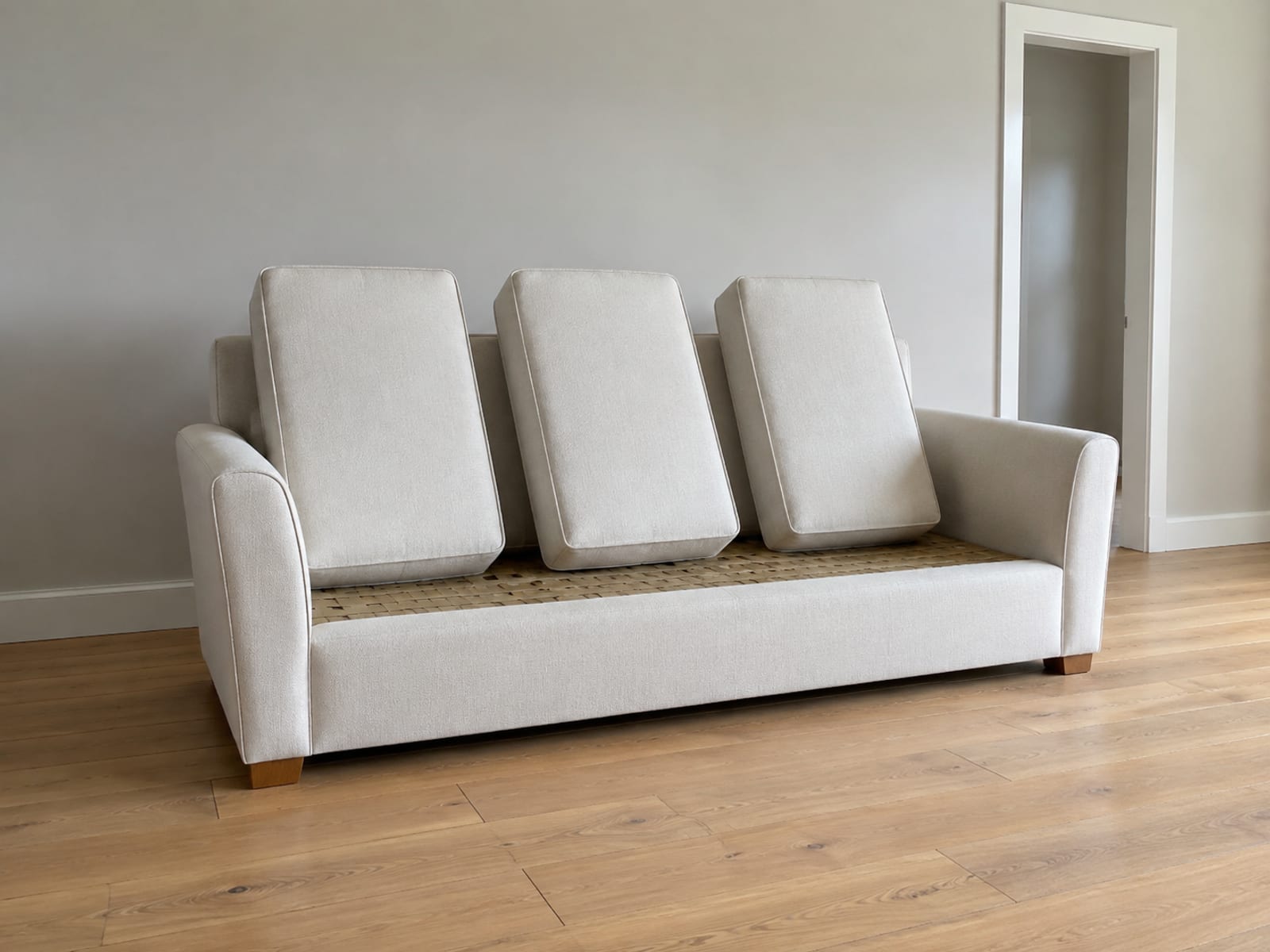
Even passes, several light coats rather than one wet one, with the cushions out and both faces done.
- 4
The cure
303 publishes 12 to 24 hours. Plan the day around it rather than checking every hour.
- 5
Later
Reapplication intervals vary by product. One reviewer reports a maker recommending every 35 to 45 days for a high-traffic refill product, which is far more often than most people assume.
Will it change how the fabric looks?
This is the fair question and the answer is: test it somewhere hidden, every time, whatever the label says. Guardsman claims its product does not change the look or feel and is odorless when dry. 3M says its water shield dries clear and odorless and will not cause fading. Those are the makers' own statements about their own products and they are the reason a hidden patch takes two minutes.
There is a real caution attached to a couple of fabrics. Velvet and other pile fabrics are the ones professionals treat most carefully, and dye movement is enough of a known issue in the trade that at least one professional-grade protector is sold specifically on having a dye-locking component in it. If your sofa is velvet, an unusual natural fiber, or anything you would describe as delicate, take the hidden test seriously rather than treating it as a formality, and check the sofa maker's own care advice first. On velvet in particular, which velvet you own decides what may touch it before any question of a protector comes up.
What none of these publishes
No product here publishes a repellency test result, a soak time, or a figure for how long the treatment lasts under normal use. That is why price tracks bottle size and applicator rather than performance, and why a more expensive can is not a demonstrably better one.
Reapplication is the same story. TriNova's 128-ounce refill, which ships without a sprayer, carries a manufacturer recommendation to reapply every 35 to 45 days according to one published review, and nothing else here states an interval at all. Treat any lifespan claim you read as an estimate rather than a spec.
Would you get this one right?
1. Scotchgard says a 10-ounce can covers one average couch. You have a three-seat sofa with a chaise. How many cans?
2. 303 publishes an application temperature. What is it?
3. Which of these products claims oil-based stains as well as water-based?
4. Guardsman publishes an exclusion on its own page. What does it rule out?
Pick an answer to begin.
Frequently asked questions
Which is the best fabric protector?
For an indoor sofa, Scotchgard Fabric Water Shield is the straightforward pick and the only one that states coverage in furniture rather than square feet, at $10.49 for 10 ounces at Target as of September 2026. For outdoor fabric, 303 Fabric Guard publishes 40 to 75 square feet per 16 ounces along with the temperature and cure time it needs. They are written for different jobs rather than being better and worse.
Does fabric protector spray really work?
None of these publishes a repellency test result, so there is no number to point at. What they do publish is what they are for: Scotchgard claims water-based spills, ForceField claims water-based and oil-based stains, and 303 and Sunbrella Restore claim water-based stains and outdoor exposure. Match the claim to the mess you actually get and treat the rest as untested.
How much do I need for a sofa?
A three-seat sofa is roughly 35 to 50 square feet once you count the arms, the back, the platform and both faces of every cushion. That is two 10-ounce Scotchgard cans, or one 16-ounce bottle of 303 at the very edge of enough, or comfortably inside one 22-ounce bottle of ForceField at its published 725 square feet per gallon.
Is it safe on velvet?
Treat velvet as the case that needs the hidden test most rather than least. Dye movement is a known enough issue in the trade that professional-grade protectors are sold on having a dye-locking component, and pile fabrics also change appearance when they are wetted unevenly. Check what your sofa's own maker says first, and test somewhere nobody looks.
What fabric protector is similar to Scotchgard?
Guardsman Fabric Defense is the closest general-purpose equivalent, written for fabric upholstery, window treatments and carpets, though it excludes finished and aniline leather and publishes very little else on its own page. ForceField is the alternative if oil-based stains are your problem, at the cost of a solvent odor while you work.
What the label is telling you
Tap a term to see what it means.
Coverage. How much surface one container treats, published as furniture, square feet or square feet per gallon depending on the maker. It is the number that decides how many you buy.
Measure the piece and convert the coverage before you choose between brands, because the number of cans is the part that decides whether the job gets finished in one go. And if what you are protecting has already been marked, clean it first: a protector seals in what is under it, and what your care tag lets you use on it settles that before PlushPick gets you to the spraying.
Cal Hewitt
Writer at PlushPick. I compare sofa specs, comfort, durability, and value so you can buy with clearer expectations.
About Cal and how the guides are researchedRelated
All guides- "Best-of"
Best Furniture Protectors for Pets, by What They Actually Cover
A cover marked waterproof still leaves an exposed arm bare. The best furniture protectors for pets, sorted by what they cover and what they stop.

- "Best-of"
Best Pet-Friendly Sofa Fabrics: Claws, Hair and Spills
Worried your dog or cat will ruin a new couch? Find the best pet-friendly sofa by fabric: claw resistance, hair pickup, stains and removable covers.

- "Best-of"
Best Sofas for Small Spaces: Narrow Doesn't Mean Shallow
Best sofas for small spaces, compared by outside width and seat depth together, because a narrower sofa can have a deeper seat than a wider one.

- "Best-of"
Best Recliner Covers for Dogs: What Actually Stays On
A recliner moves, so a sofa cover will not stay put. The best recliner covers for dogs, sorted by measured seat width, from one chair to a three-seat sofa.
